Image credit: Stefan Klinge / Riedel Communications
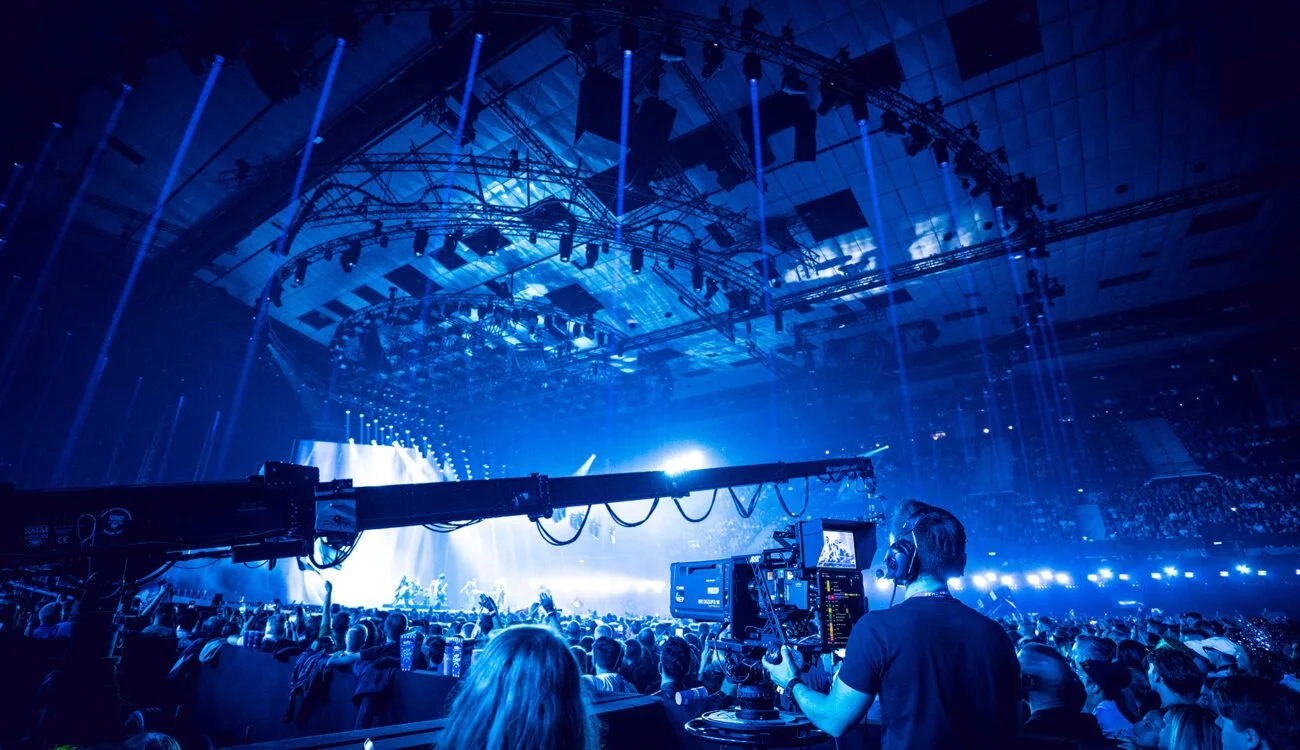
Vienna, May 2026. One of the world's largest live entertainment events, 166 million viewers, a stage built around a 500-square-metre LED wall — and for the first time in Eurovision Song Contest history, the entire show captured on ARRI cameras.
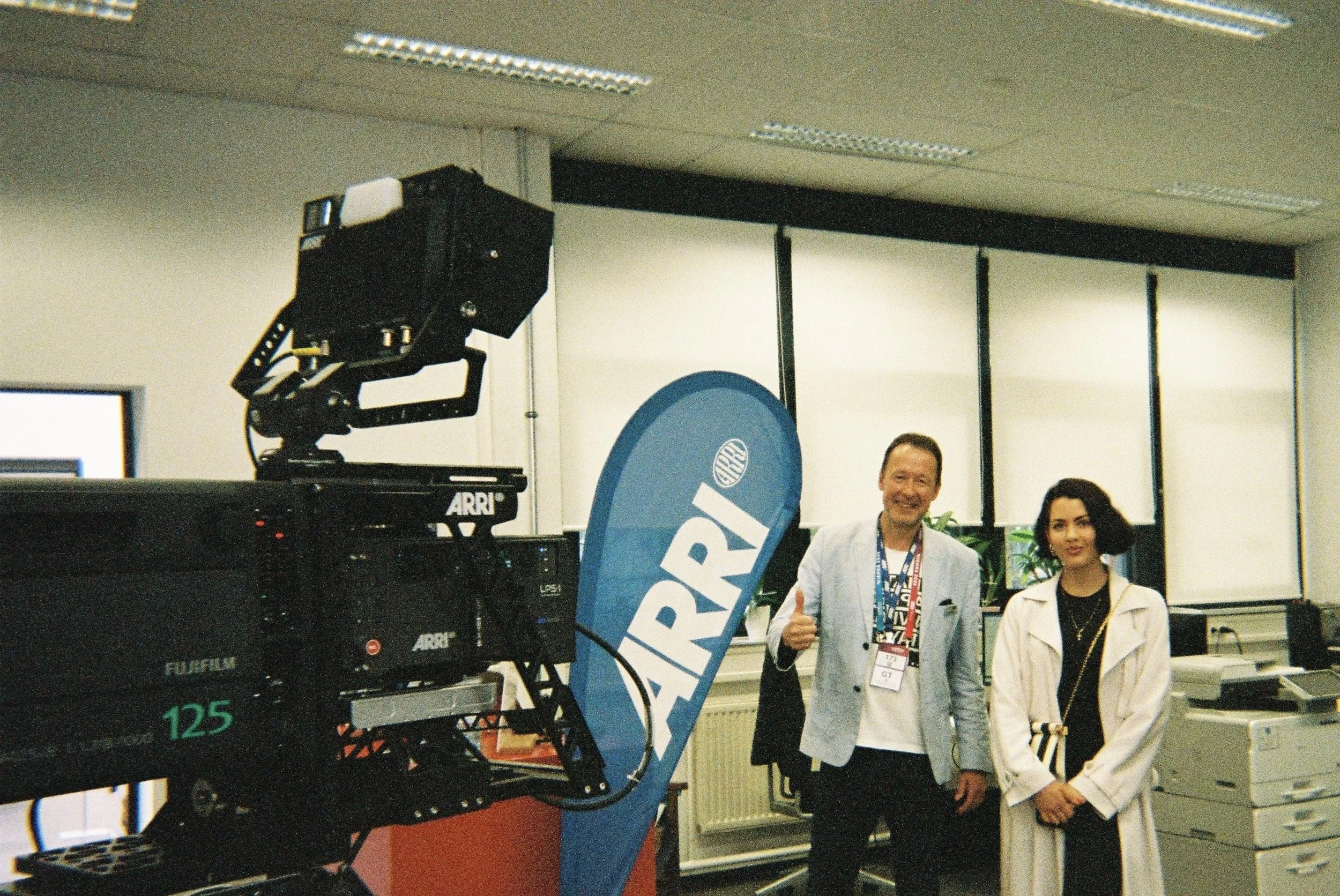
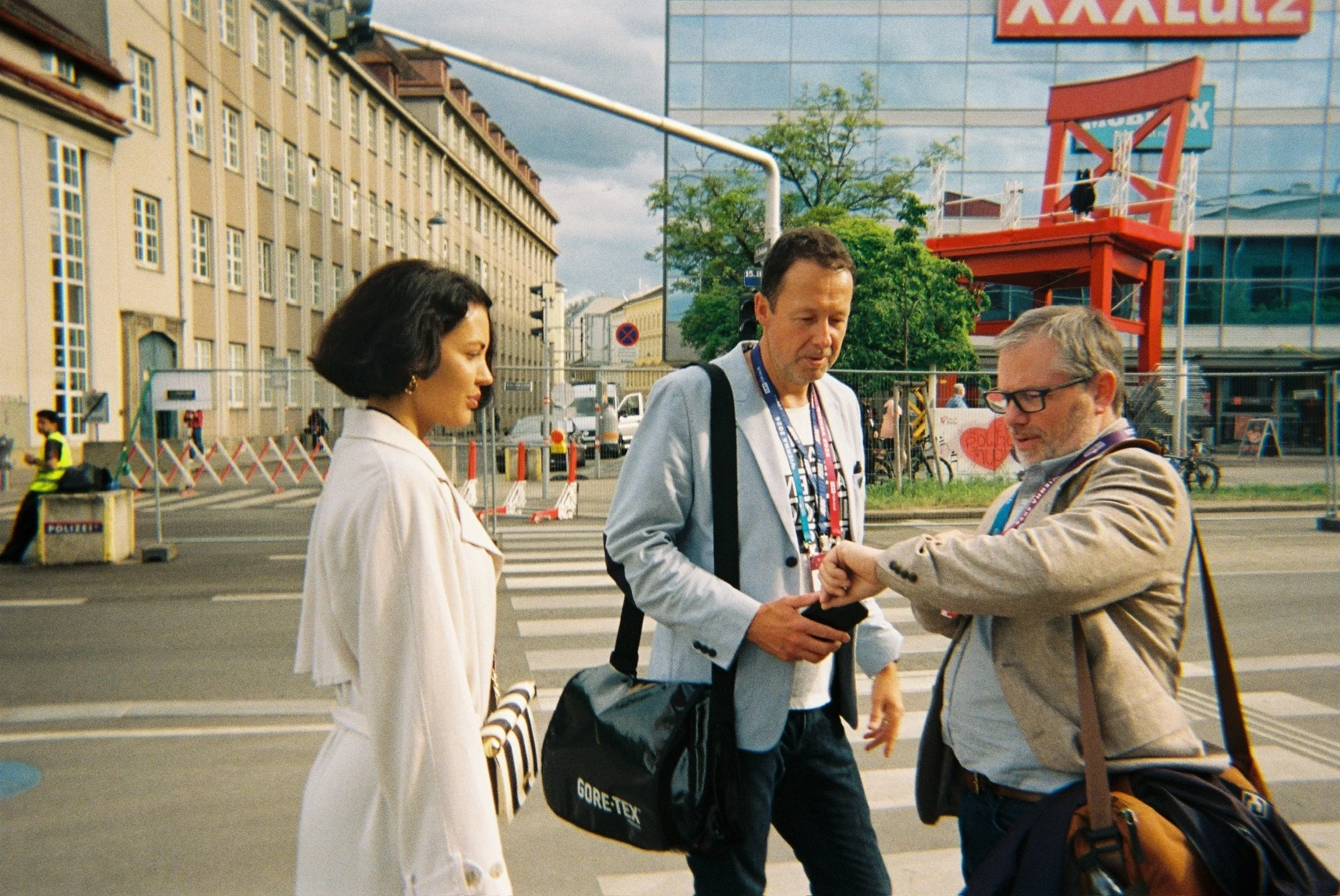
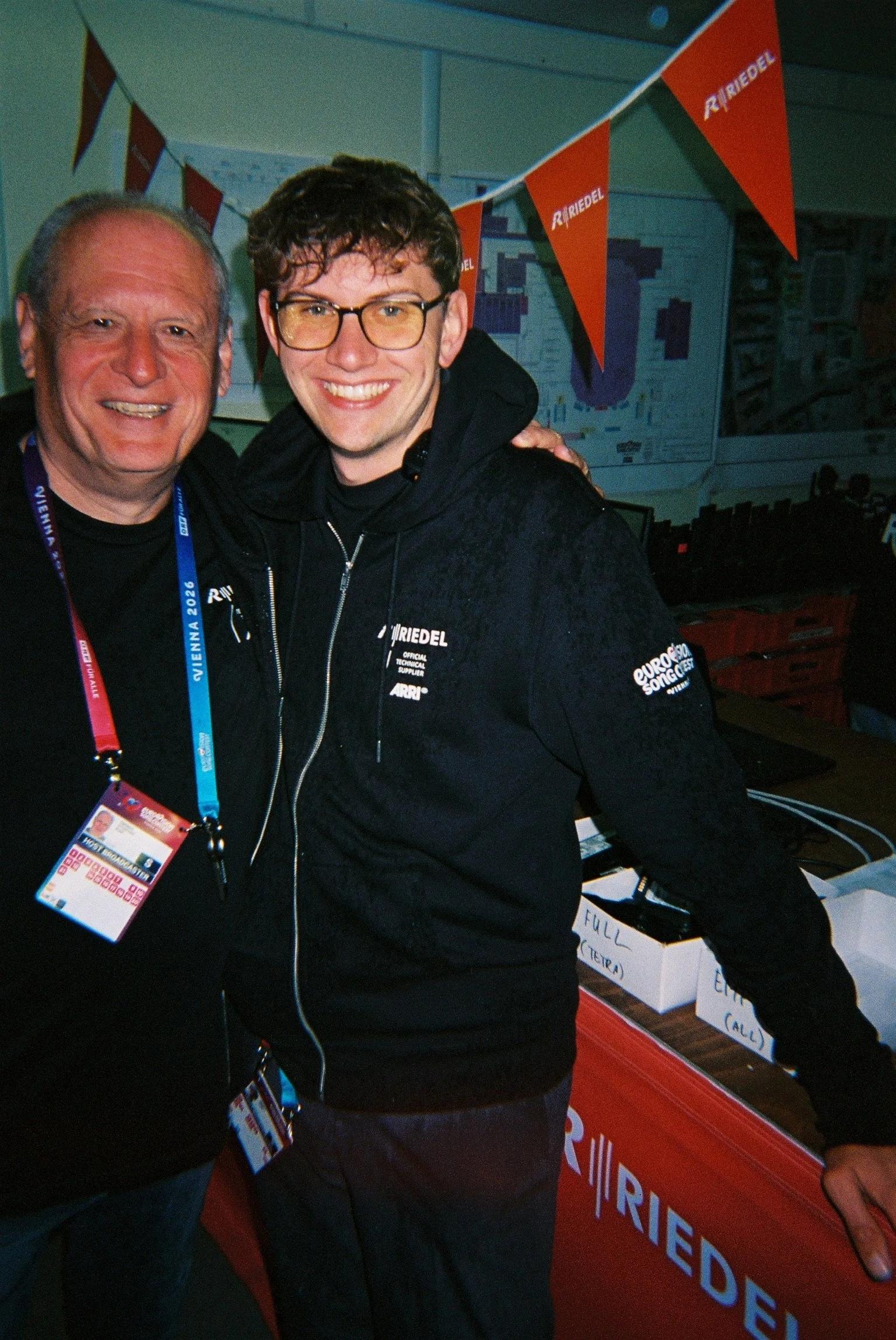
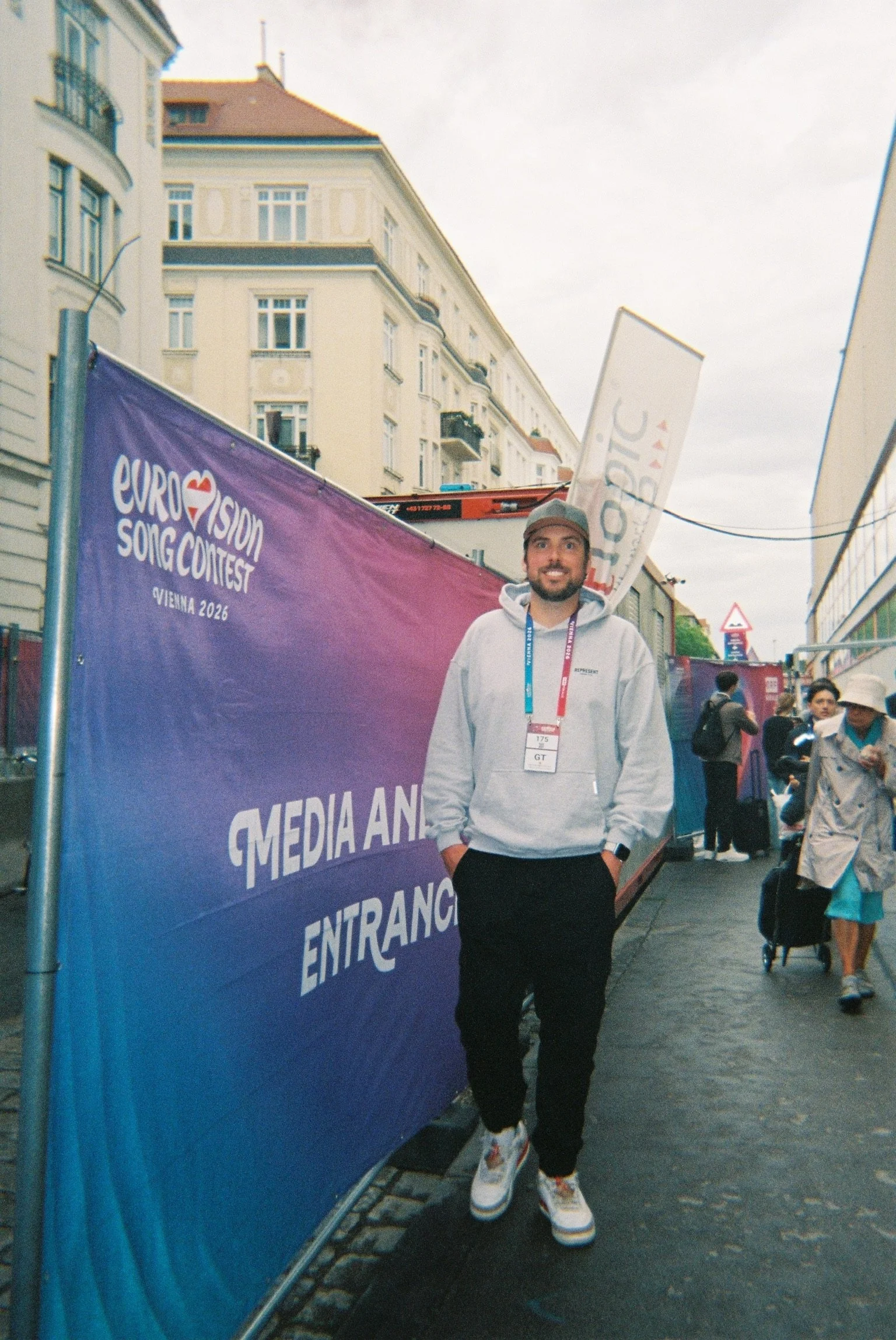
Origin Film Productions was there. On ARRI's invitation, Lea Mende and Pasquale Roedel joined the team in Vienna to experience the ARRI ALEXA 35 Live Multicam System in full operation — not as a product demonstration, but as a working part of one of the most demanding live broadcast environments on the planet.
The Scale of What We Saw
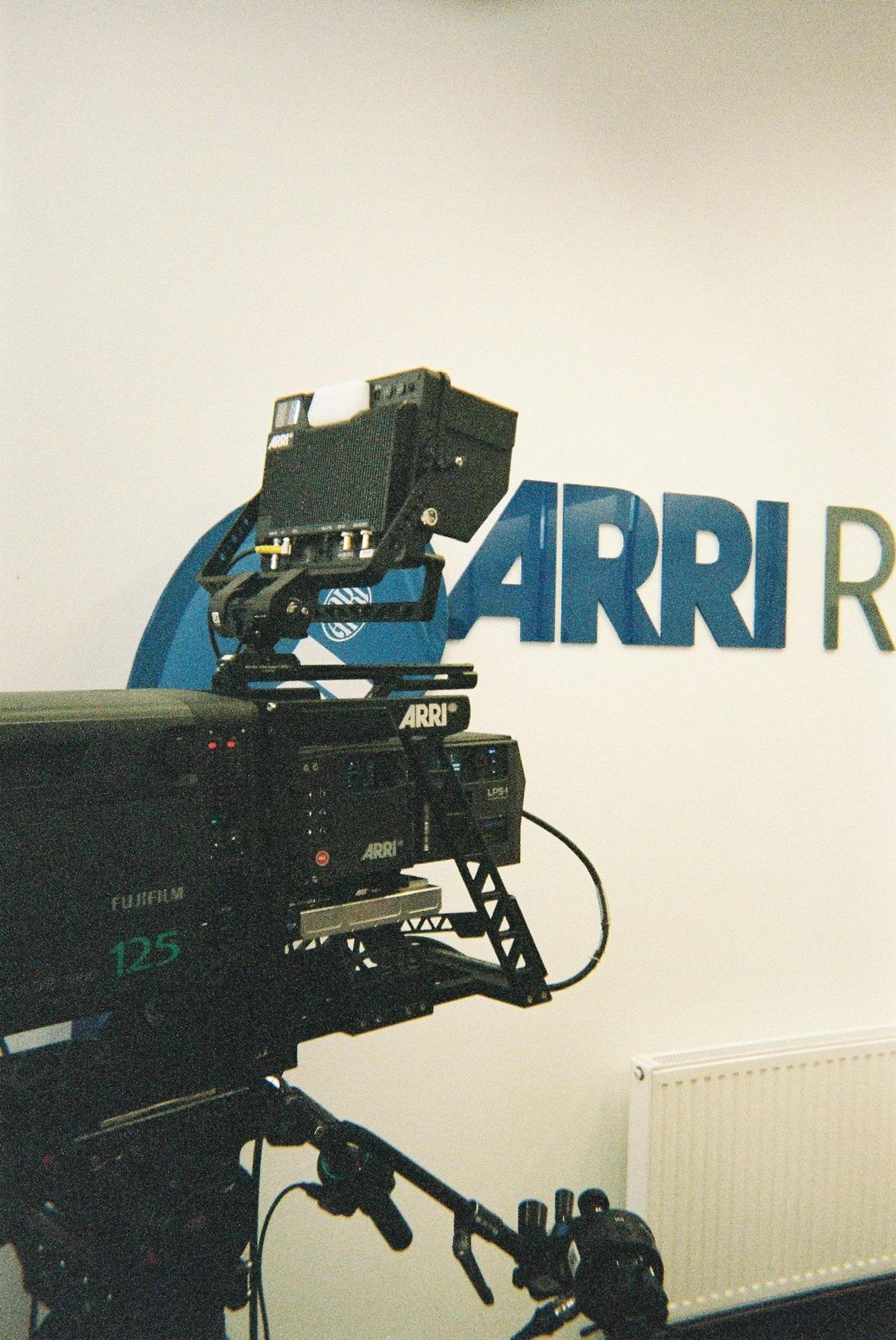
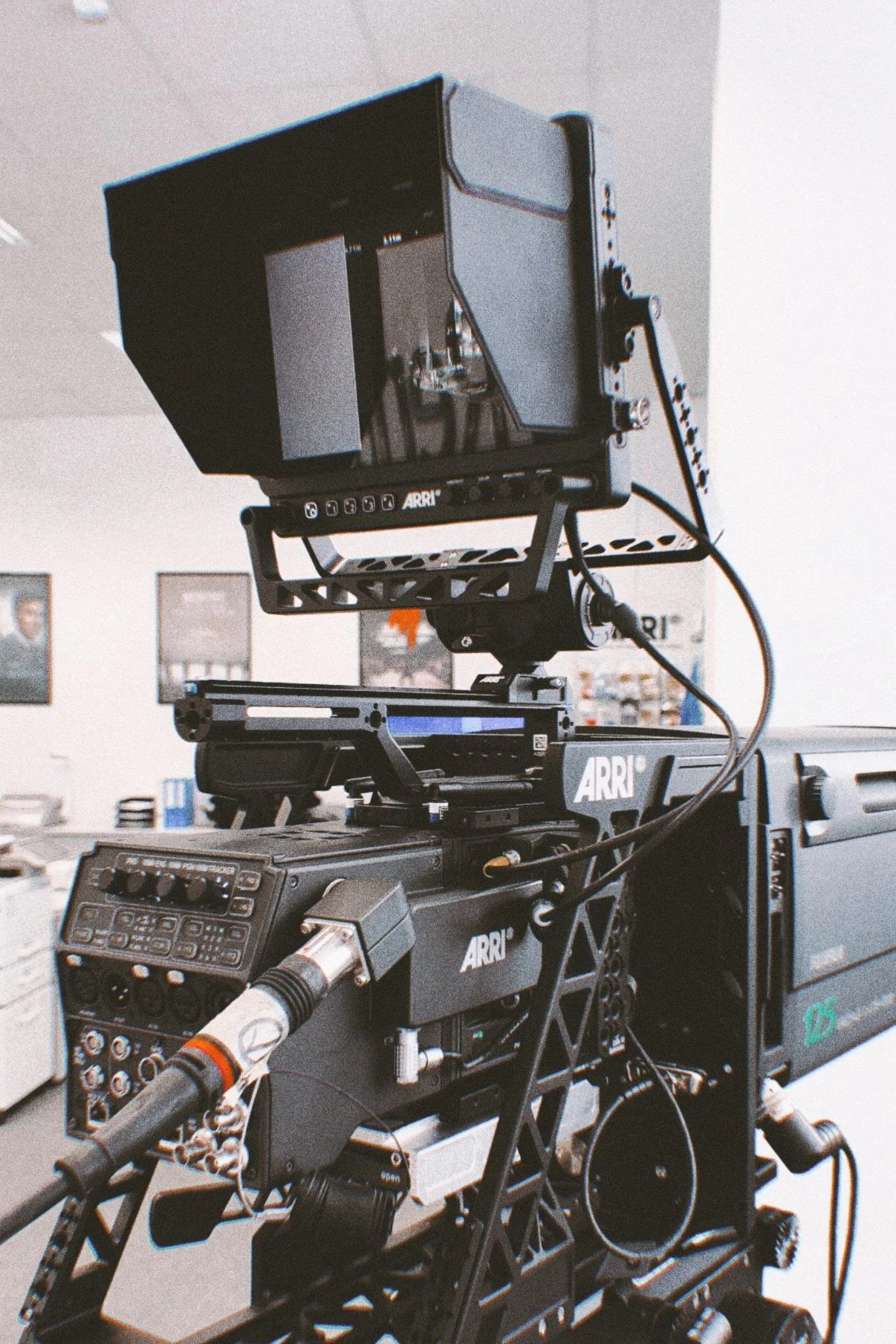
According to ARRI and CineD's behind-the-scenes coverage, Eurovision 2026 marked the biggest broadcast deployment in ARRI's history. 24 ARRI ALEXA 35 Live camera systems were in operation across the Wiener Stadthalle: 8 box lens cameras for main coverage, 9 RF cameras including Steadicams and handhelds, and 7 specialty setups including Scorpio crane systems, railcams, and remote systems. Riedel Communications, whose founder Thomas Riedel recently acquired ARRI, provided signal distribution and communications infrastructure, making Eurovision 2026 also the first major real-world deployment of the new ARRI–Riedel partnership.
It was a real multicamera production under the pressure of live television: synchronized signal chains, redundant OB infrastructure managed by NEP Europe, SMPTE ST 2110 IP routing, 1080i broadcast output, real-time look changes per performance, and a camera team that had to integrate cinema-grade systems into a workflow built for broadcast speed.
The challenges were real. Synchronizing the ALEXA 35 Live's rolling shutter with a 500 sqm LED stage wall is the kind of problem that doesn't exist in a showroom. Finding a consistent shading baseline across 24 channels with varying lens types, positions, and lighting conditions requires extensive preparation. These are exactly the situations where the gap between a beautiful camera and a production-ready system becomes visible, and where ARRI has been doing the work.
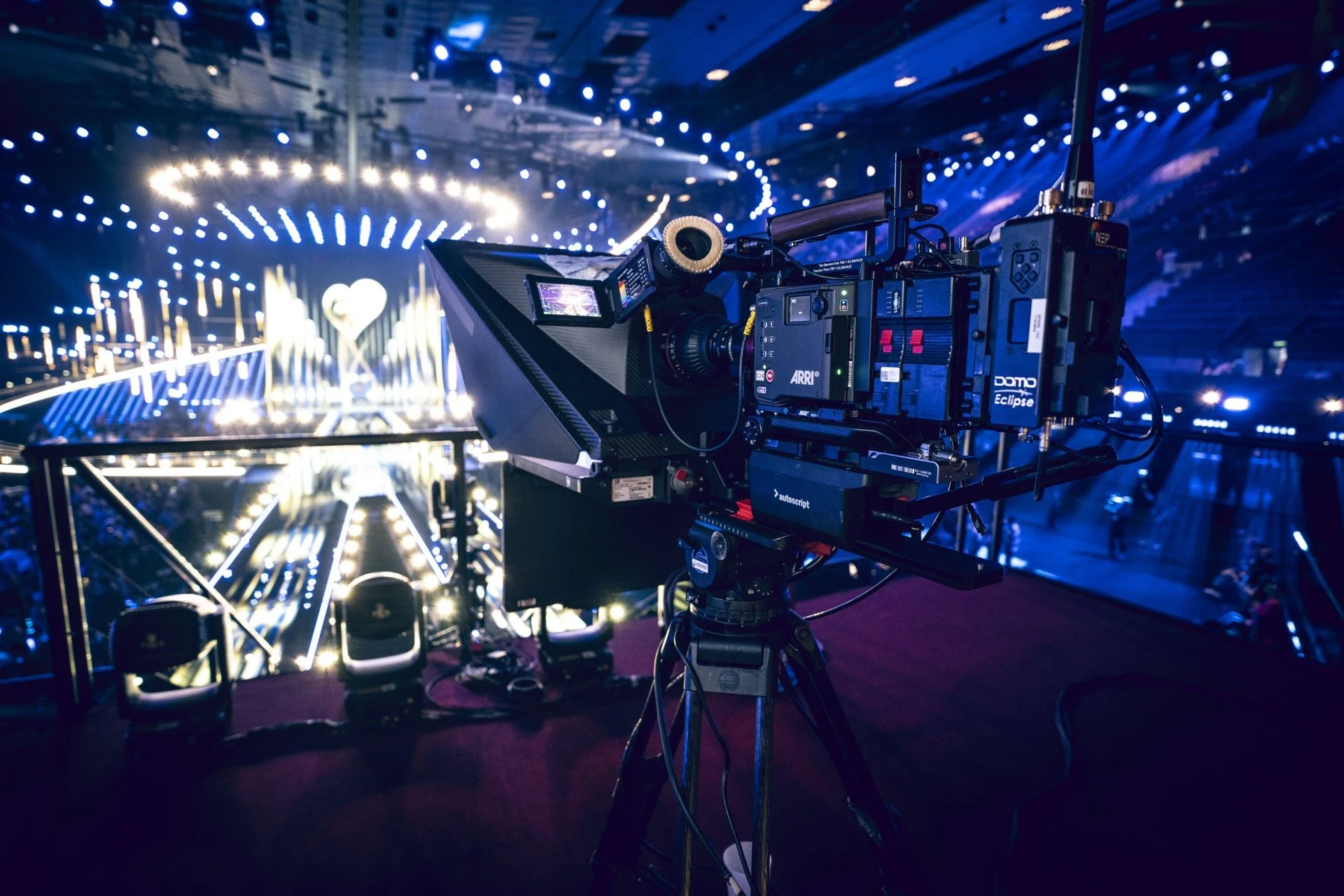
Image credit: Stefan Klinge / Riedel Communications
What Makes the ALEXA 35 Live Different at This Scale
For Origin Film Productions, the most valuable part of being in Vienna was the direct exchange with Thomas Stoschek, Jannik Abelt and André Rittner from ARRI. What stood out wasn't just the image quality. It was the software and workflow architecture that makes operating 24 cinema cameras in a live broadcast environment actually viable.
The latest software updates (ALEXA 35 SUP 6.0 and LPS-1 SUP 1.3) brought features that are easy to overlook in a spec sheet, but matter enormously in production. Multi-matrix color correction enables precise inter-camera matching without affecting other color channels, particularly useful when handling challenging or inconsistent lighting at different camera positions. Scene File support lets operators establish a consistent visual baseline across all channels: white balance, gain, iris, gamma, sharpness, detail, and LUT — controlled directly from the RCP. Fine EI/gain adjustment from the RCP without changing the iris preserves depth of field while compensating for exposure differences. And on the infrastructure side, automatic camera detection via DHCP means swapping a Fiber Camera Adapter no longer requires manual IP configuration. A small thing that becomes a significant thing when you're running 24 systems in parallel under time pressure.
The production also developed around 30 custom looks, almost one per competing country, loaded into cameras in real time using ARRI's Look Management pipeline. That kind of per-performance creative control in a live broadcast environment would have been technically unthinkable just a few years ago.
From AMIRA Live to ALEXA 35 Live: A Longer Conversation
For Origin Film Productions, this visit was part of a longer engagement with ARRI's approach to cinematic live production. We've been following this development since the AMIRA Live and the ARRI Multicam System, both of which established an early vision for bringing the cinematic ARRI look into broadcast and multicamera environments
What has changed with the ALEXA 35 Live is the completeness of the system. It's no longer about adapting a cinema camera to a broadcast workflow. The ALEXA 35 Live is built as a live production system from the ground up: fiber infrastructure, Fiber Base Station, RCP control, tally, return video, monitoring, intercom, box-lens integration, IP discovery, web-based diagnostics and a software stack designed to operate at broadcast speed. The gap between the cinematic image and the live production workflow has closed significantly.
Eurovision 2026 showed what that looks like at full scale. The current output runs in 1080i via standard ENG/box lenses — a practical compromise for this production scale and broadcast infrastructure. The vision of PL-mount optics and progressive formats in a full-scale live broadcast is still ahead. But the foundation is clearly there, and what ARRI demonstrated at the Wiener Stadthalle was not a proof of concept in a lab; it was a proof of concept in front of 166 million people.
What This Means for Live Production Going Forward
For production companies working at the intersection of cinema and live entertainment, the ALEXA 35 Live at Eurovision 2026 was a meaningful milestone. The system performed at a scale and complexity that validates the direction.
Cinematic multicam production is moving from a creative ambition to an operational reality. The tooling is maturing. The workflows are being tested under real conditions. The people building these systems are learning from deployments at exactly this level. And the line between what broadcast cameras do and what cinema cameras do is becoming harder to draw.
We left Vienna with a sharper picture of where live production is heading, and a clearer sense of how systems like the ALEXA 35 Live fit into the kinds of projects we're developing at Origin Film Productions. The conversation with ARRI continues.